
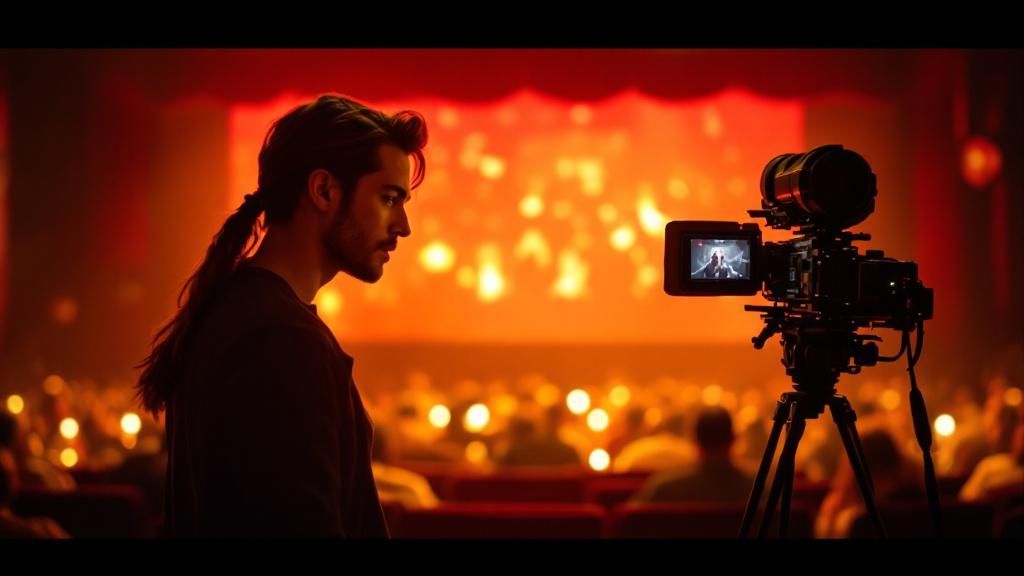
The theatre has undergone a significant transformation in the past few years, as cutting-edge cinematic techniques revolutionise the way audiences engage with stories on stage. From immersive visual projection and digital backdrops to sophisticated lighting design and audio design, modern theatres are combining conventional theatrical craft with modern visual technology. This article examines how these innovative approaches are reshaping theatrical narratives, strengthening emotional resonance, and creating unforgettable experiences that blur the boundaries between cinema and live performance, ultimately transforming what audiences expect from theatre in the twenty-first century.
The Evolution of Visual Storytelling
The evolution of stage narrative in theatre has experienced major evolution over the last hundred years. From modest origins with scenic paintings and candlelit stages, stage production has developed into a sophisticated amalgamation of art forms. Early innovations brought in electric lighting and mechanical scenery, dramatically reshaping how stories could be told. However, the real turning point took place when theatre practitioners began embracing cinematic principles, understanding that spectator demands had altered substantially following decades of motion picture consumption.
Contemporary theatres actively utilise advanced projection technologies that would have seemed unfeasible mere decades ago. Advanced mapping technology produce dynamic, three-dimensional environments that react immediately to performers’ gestures and dramatic beats. These visual effects transcend mere decoration, becoming key narrative elements themselves. Directors employ these technologies to collapse temporal boundaries, move between spaces effortlessly, and depict intangible concepts that conventional theatre techniques cannot express. The fusion of live acting with film-like accuracy has created unprecedented creative possibilities.
This transformation illustrates broader cultural shifts in how spectators consume information and experience entertainment. Digital natives demand complex visual expression, whilst purists value the authentic theatrical experience that cinema cannot match. Contemporary theatre venues successfully navigate this dynamic, incorporating cinematic approaches to intensify audience emotion without compromising the unique vitality of live theatre. This collaboration between classical and contemporary has fundamentally redefined theatrical expression for modern viewers.
Immersive Spatial Audio and Spatial Audio
Modern theatre presentations employ sophisticated sound design systems that exceed traditional audio reinforcement. Immersive audio platforms produces multidimensional acoustic environments, enabling audio to travel seamlessly around the auditorium, enveloping audiences in immersive audio landscapes. This cutting-edge technique alters how spectators perceive dramatic content, making dialogue, music, and effects feel authentically integrated within the performance environment rather than simply amplified from speakers.
The integration of Dolby Atmos and comparable immersive sound technologies has become increasingly common in contemporary theatres. These technologies enable audio professionals to locate audio segments exactly within the performance space, including overhead channels that add remarkable depth. By leveraging these capabilities with care, performances create emotional impact that amplifies dramatic beats, strengthens humorous beats, and establishes atmospheric tension in ways traditional stereo systems cannot accomplish.
- Three-dimensional sound places sound throughout immersive performance environments effectively.
- Dolby Atmos system facilitates precise overhead and directional audio positioning.
- Rich audio environments enhance emotional connection between performers and audiences.
- Sound design complements visual projections for integrated sensory encounters.
- Advanced systems support complex narrative layers through audio storytelling techniques.
Theatre sound engineers now work closely with directors and visual specialists to guarantee audio complements visual elements seamlessly. This cross-disciplinary collaboration acknowledges that today’s audiences anticipate cinema-standard audio alongside sophisticated staging. Consequently, theatrical productions invest significantly in audio technology, ensuring theatres possess suitable facilities for providing immersive experiences that rival cinema sound quality whilst maintaining the immediacy and authenticity fundamental to live theatrical performance.
Digital Projection and Colour Grading Innovation
Digital projection technology has fundamentally transformed theatrical presentations, enabling productions to display breathtaking imagery sequences with unprecedented clarity and precision. Modern theatres now employ sophisticated projection technology capable of rendering complex imagery, vibrant imagery, and fluid shifts that engage spectators from the start. This innovation in technology allows directors to craft engaging spaces that complement stage acting, converting performance spaces into dynamic canvases where cinematic storytelling merges effortlessly with theatrical tradition, enriching the complete storytelling journey.
Colour grading represents a crucial innovation in current theatrical design, offering technicians refined tools to manipulate visual atmospheres and amplify emotional impact. By methodically balancing hues, saturation levels, and contrast ratios, colour graders establish characteristic tones that resonate with narrative themes and character development. This precise technique to colour management ensures that every scene maintains aesthetic harmony whilst generating specific emotional responses, allowing audiences to experience stories through a deliberately crafted visual language that intensifies dramatic tension and psychological depth throughout performances.
The combination of digital display technology and colour grading has substantially changed spectator anticipations concerning visual presentation and narrative quality. Theatrical works now employ these technologies to create strikingly beautiful settings that rival cinematic experiences whilst maintaining the irreplaceable energy of live theatre. This synthesis of classic theatre and modern cinematic techniques shows how innovation can improve rather than diminish theatrical artistry, creating new standards for immersive experiences that remain in evolution as technology progresses.
